
Arrest History in Potter County
A Potter County arrest may begin with the Potter County Sheriff, Amarillo Police Department, Texas DPS, a constable, campus police, or a federal agency. Each creates and keeps its own report. If the person is taken to the Potter County Detention Center, the jail then creates a separate intake record with a booking or SO number, listed charges, bond or hold data, and custody status. The magistrate adds warnings, probable-cause findings, and bond conditions. Prosecutors and clerks create yet another record if a charge becomes a court case.
Those files overlap, but they answer different questions. The arrest report explains the agency action. The booking record shows intake and custody. The court file shows what was formally charged and how the matter ended. For a Class B misdemeanor or more serious Texas arrest, fingerprints normally enter the state reporting chain and later link to disposition data sent to DPS. Potter County arrest history is thus a trail, not one master local file.
The Potter County Sheriff divisions page shows the corrections structure behind jail records.

That official view helps place the booking entry within the county’s larger custody operation.
Four Potter County Arrest Records
Four core files may form soon after a Potter County arrest: an agency report, a jail booking, a magistration record, and a court case. A fifth state layer can follow when the arrest is reportable to DPS. The charge text can change at each point. An officer may use one arrest label, booking staff may enter a short charge description, and a prosecutor may later file a narrower, broader, or different charge. A grand jury may also return an indictment or decline the proposed felony charge.
Do not merge the files by guesswork. Match the agency or report number, booking or SO number, dates, and eventual court case number. If a jail entry lacks a case number, wait for filing or ask the correct clerk. Potter County District Clerk records felony cases. The County Clerk keeps County Courts at Law files. Amarillo Municipal Court holds its own fine-only matters. The detailed charge and outcome belong in the Potter County criminal court case record, not in the old booking label.
How to Look Up Potter County Arrests
The fastest route depends on whether the goal is recent intake, current custody, the agency narrative, a filed charge, a statewide reported outcome, or an identity-matched review of one’s own history. Use the official holder for each layer. Name matches alone are not conclusive, and a new Potter County booking can appear before the court has opened a case.
- Open PCSO Public Records. Choose Book In’s for recent intake or Jail Roster for current Potter County custody, then note the listed agency and nonprivate booking identifier.
- Ask the agency that made the arrest for its report. Use the Potter County Sheriff Records counter for sheriff cases, APD’s official open-records channels for city cases, or the proper state, campus, or federal agency for its own report.
- Check the correct Potter County clerk after charges are filed. A felony file goes to the District Clerk, a county misdemeanor to the County Clerk, and a city fine-only case to Amarillo Municipal Court.
- Use the Texas DPS Criminal History Conviction Name Search for public statewide conviction and deferred-adjudication information. Use FAST fingerprints for the strongest identity match when reviewing one’s own Texas record.
- If the online tools do not supply the record, make a narrow request to the holder. Give the date, place, agency, report or case number, booking or SO number, and the type of copy sought. Call PCSO Records at (806) 379-2932 with process questions.
The official sheriff records page is the launch point for the roster, Book In’s log, warrants, and the in-person request process. For review of one’s own FBI-held identity history, the FBI Identity History Summary instructions explain the fingerprint options, while the FBI electronic request portal handles the online application route.
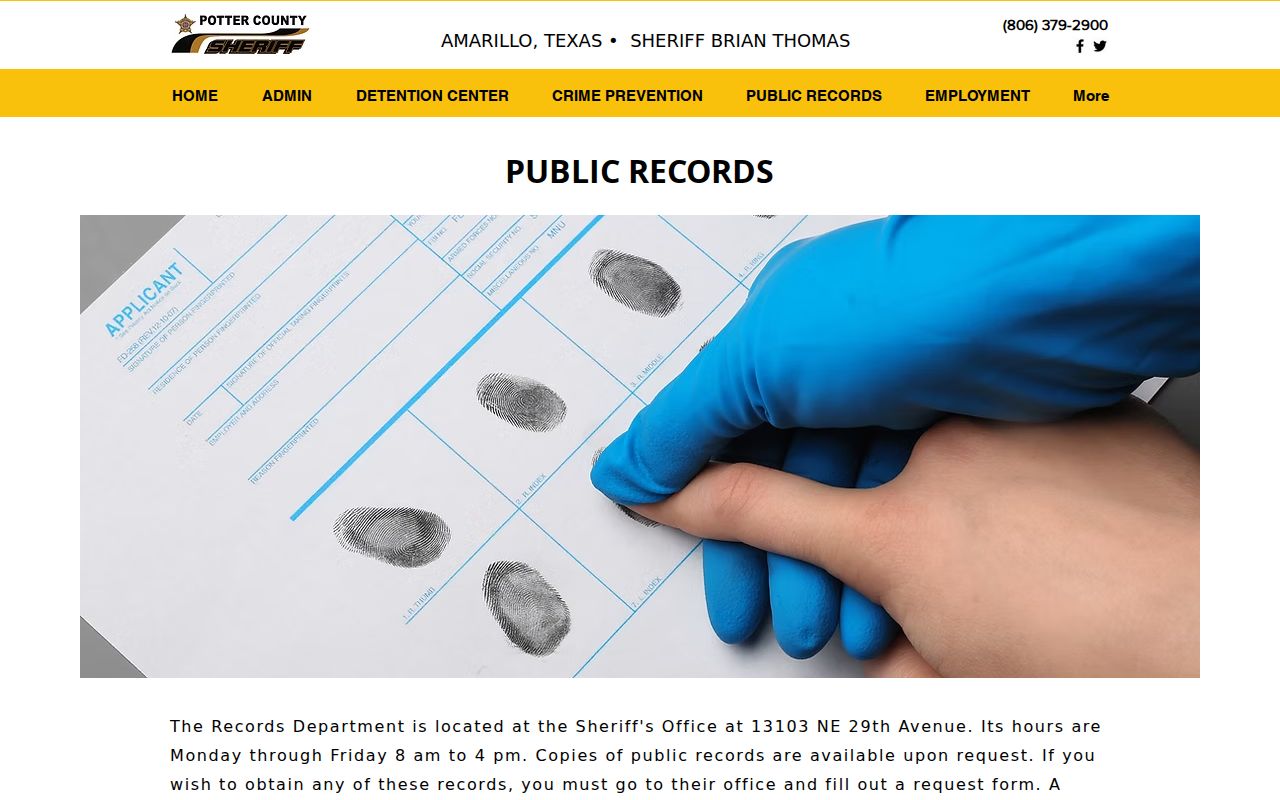
Its separate links reinforce why recent intake, current custody, and a requested sheriff report should not be treated as the same record.
Potter County Arrest Report Counter
The sheriff’s Records Department is Potter County’s concrete fallback for an offense report, arrest report, booking material, or sheriff record not visible online. Requesters appear at the office, complete its form, and show picture identification. The counter is open Monday through Friday from 8:00 a.m. to 4:00 p.m. The county has not published a complete copy-fee schedule or a fixed turnaround promise, so ask for a cost estimate when the scope may produce charges.
Potter County Sheriff Records
13103 NE 29th Avenue
Amarillo, TX 79111
(806) 379-2932
Monday-Friday, 8:00 a.m.-4:00 p.m.
A useful request identifies the incident date and place, involved person, report number if known, date range, record type, contact details, and preferred copy form. The Texas Public Information Act applies to agency records, but victim, juvenile, medical, identifying, and active-investigation material may be withheld or redacted. Court files follow judicial access rules through the clerk.
What a Potter County Arrest Record Shows
A Potter County arrest or booking record can carry far more than a name. Read each field in context and note who created it. The booking entry may use a short charge label, while the agency report can state the alleged legal basis and the later court file can show a changed charge. Public copies can omit dates of birth, Social Security or driver-license data, victim and minor identity, medical facts, confidential-source material, and active investigative details.
| Report and booking numbers | The agency report number identifies the arresting agency file; the SO or booking number identifies Potter County jail intake. |
|---|---|
| Dates and place | Incident, arrest, and booking times may differ, and the arrest location helps identify the right agency and court venue. |
| Agency and legal basis | The record may name the officer or agency and state whether the arrest rested on a warrant or another alleged basis. |
| Listed charges | Booking charge text and statutes describe intake allegations, not necessarily the charge later filed by a prosecutor. |
| Bond and holds | Amount, type, conditions, or another agency’s hold may appear when entered; absence of a value should not be guessed at. |
| Booking photo | A photo may be part of the intake file, but Texas does not make it proof of conviction or guarantee every historical image is downloadable. |
| Release or transfer | Status may show release, transfer, or current custody, but an online update can lag the jail’s actual processing. |
Compare the jail fields with the agency report and later disposition. A Potter County booking photo or charge label records intake, not guilt or a final case outcome.
Potter County Arrest Magistration
Before Potter County’s daily 11:00 a.m. magistration, jail staff inventory property, establish identity and booking data, photograph and fingerprint qualifying arrests, screen health and mental-health needs, enter charges and holds, and classify placement. A magistrate then gives statutory warnings, reviews probable cause, and sets bond and release conditions when applicable. The sheriff streams this daily proceeding, making an early part of the local process visible.
The stream is not a final Potter County arrest history database. It captures an early hearing, not the full case. A later complaint, information, or indictment may shape formal charges, and the final disposition may be a dismissal, acquittal, deferred adjudication, or conviction. Release can follow bond, a court order, sentence completion, or transfer. Online custody status may trail that work.
The Potter County Sheriff FAQ supplies the jail contact and verification limits that help readers choose the right next step.
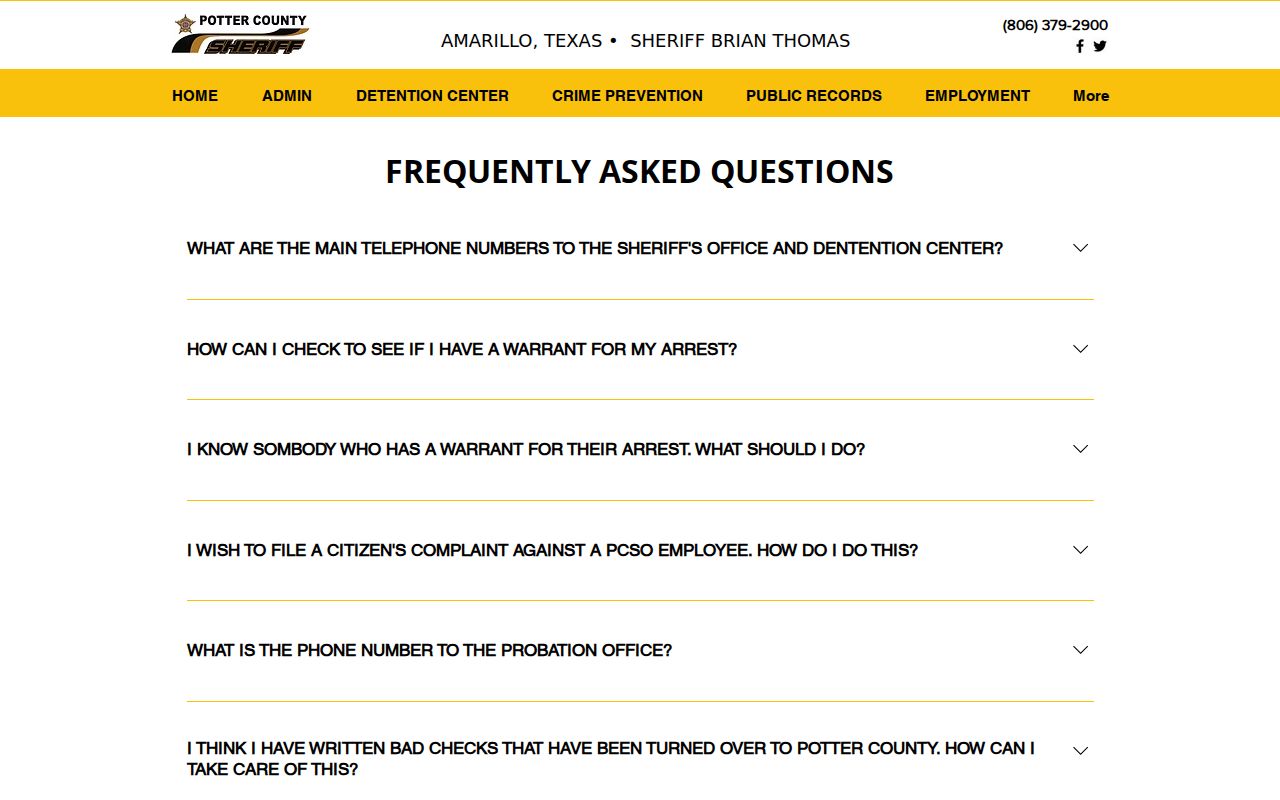
It is a practical check before relying on a phone call for information the sheriff only confirms online or in person.
Recent Arrests and Booking Logs
PCSO separates Book In’s from the Jail Roster. Book In’s is the recent Potter County intake channel. The roster is a present-custody snapshot. Its controls may allow a name filter, browsing, or an SO or booking number, and the vendor interface can change. Use the exact identifier when available. A common name can match the wrong person, while a spelling variant can hide the intended entry.
Neither tool is a full Potter County arrest history. A released person may no longer appear on the roster. An older booking may fall outside a recent log, and a person arrested elsewhere may never enter Potter County jail. Absence proves none of those events. The arresting agency’s report and the court disposition provide the best follow-up. The detention-center line, (806) 335-4100, can address custody-process questions, but an online status can still lag release work.
Note: Book In’s shows recent intake, while the Jail Roster answers who is held in Potter County now.
Who Owns Potter Arrest Records?
Record ownership follows the agency and custody level, not one broad Potter County arrest label. Potter County jail, Texas prison, parole supervision, and federal custody have different official tools. A person awaiting trial or serving a local county sentence may appear at the detention center. A state-sentenced person belongs in the TDCJ locator. Federal custody belongs in the BOP locator. None replaces the local arrest report or Potter County court judgment. The TDCJ Inmate Information Search provides the state-sentenced custody route.
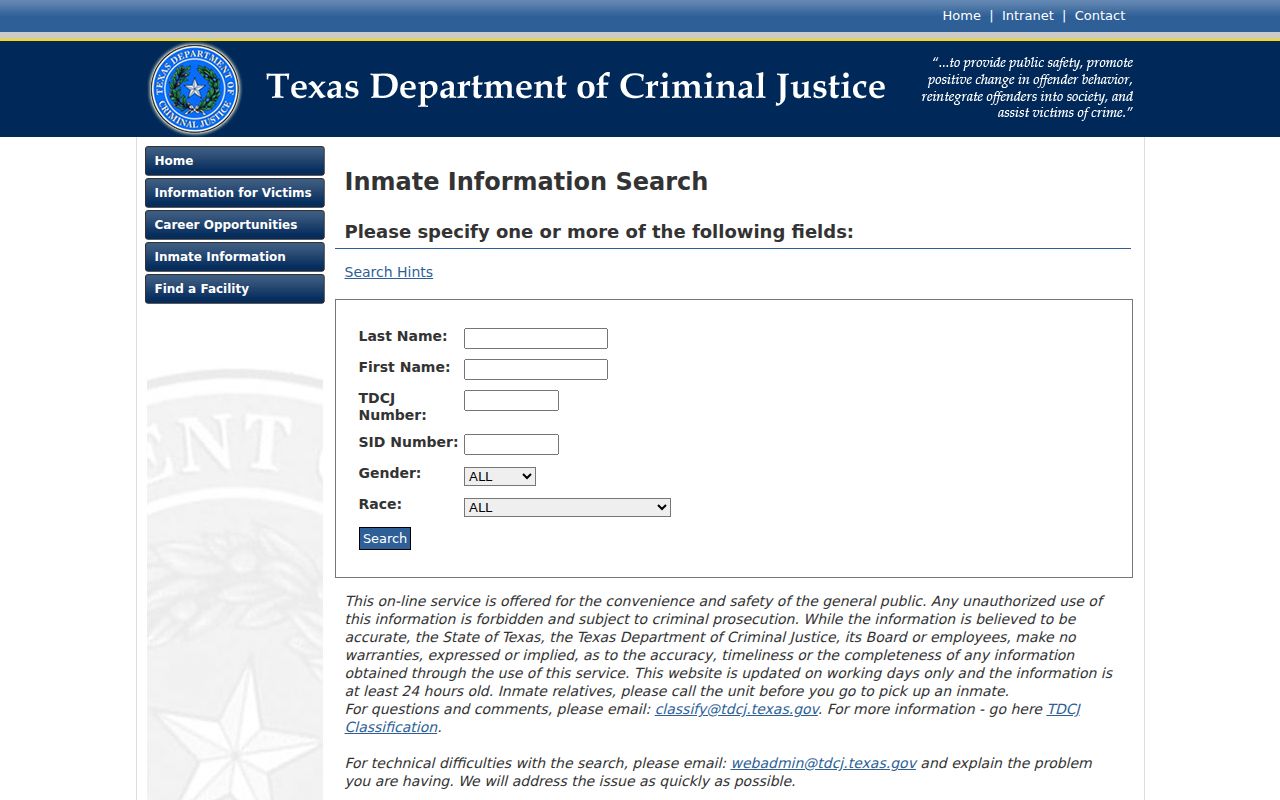
Use its name, TDCJ number, or SID number fields only after confirming that the person moved into the Texas prison system. The Texas Board of Pardons and Paroles makes release decisions, and the TDCJ Parole Division explains the state supervision layer.
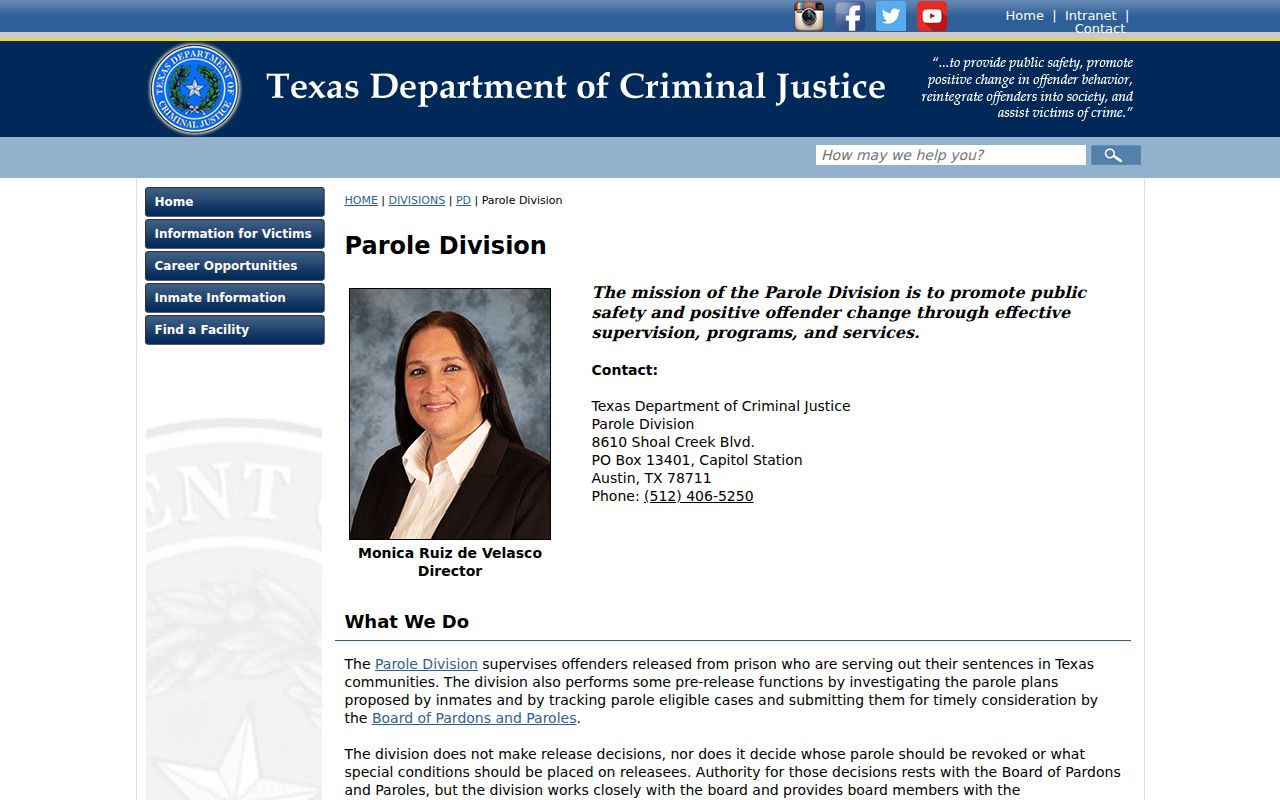
That source helps distinguish a supervision status from a current Potter County jail booking. For federal confinement, use the Federal Bureau of Prisons inmate locator.
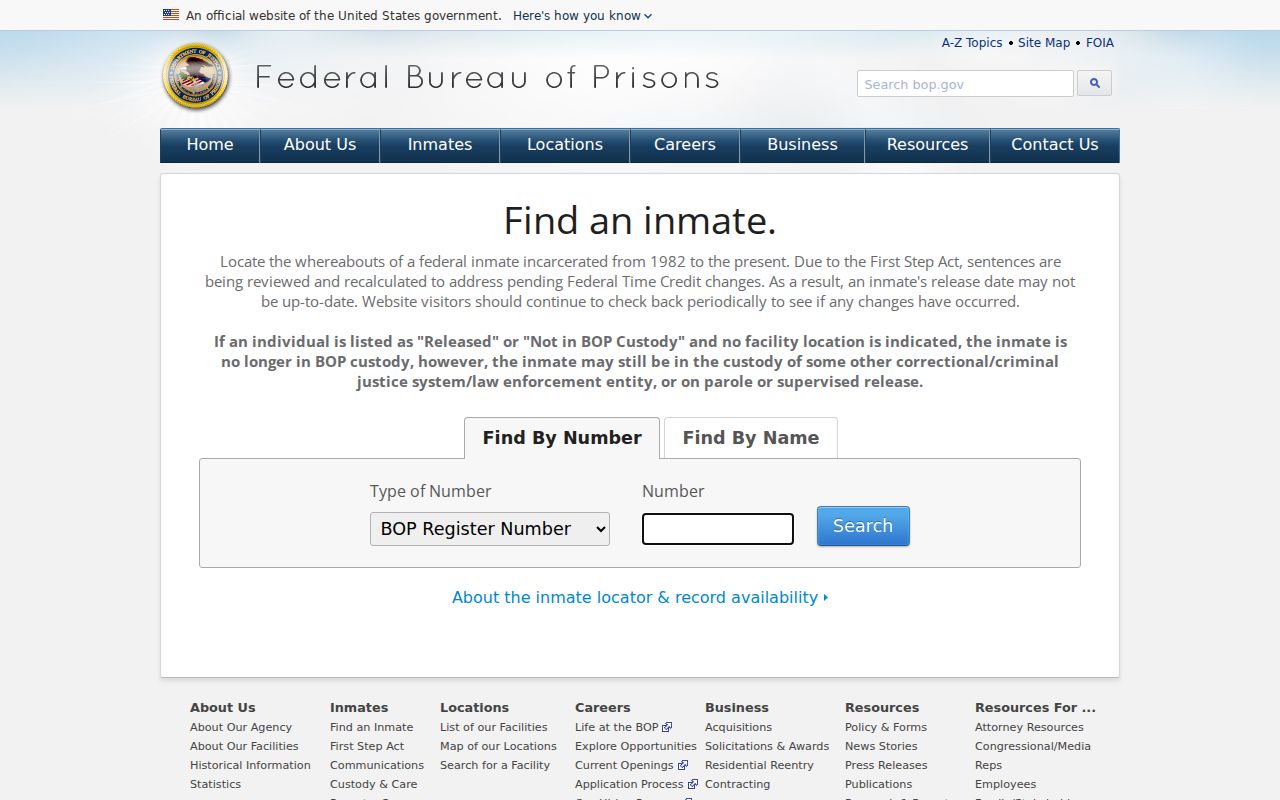
A federal result answers a custody question, but the related federal case must be confirmed through the federal court system.
Recent Potter Booking, No Case
A new Potter County arrest can appear in Book In’s before the clerk has a searchable case. First confirm the listed arresting agency and note the booking identifier. Then allow for intake, magistration, and the prosecutor’s filing decision. Ask the District Clerk about a felony-level filing, the County Clerk about a county misdemeanor, or Amarillo Municipal Court about a fine-only city matter only after matching the jurisdiction.
If no case appears, do not call the booking a conviction or assume the matter was dismissed. There may be a reporting delay, no charge may have been filed, or the case may sit in another venue. A Potter County docket is also a schedule, not a full historic file. For the final result, obtain the disposition or judgment from the court that took the case. When a disposition is missing from one’s DPS record, DPS calls for a certified court copy to support correction.
Arrests vs Convictions
A Potter County arrest records an agency action and often a jail intake. A conviction is a court judgment of guilt. The same event can leave an arrest trail even when no case is filed or when the filed case ends in dismissal or acquittal. Deferred adjudication also is not the same as a conviction, though Texas DPS may release public deferred information unless it is subject to nondisclosure.
| Point | Arrest record | Conviction record |
|---|---|---|
| Created by | Arresting agency and Potter County jail | Court, with reported state data maintained by DPS |
| What it establishes | An arrest or booking occurred | The court entered a judgment of guilt |
| Best source | Agency report, Book In’s, or jail record | Certified judgment or disposition from the correct clerk |
| Possible endpoint | Release, no filed charge, dismissal, acquittal, or later case | Sentence, appeal, and possible later legal relief |
Note: An arrest is not proof of guilt, and every Potter County booking should be checked against the final court disposition.